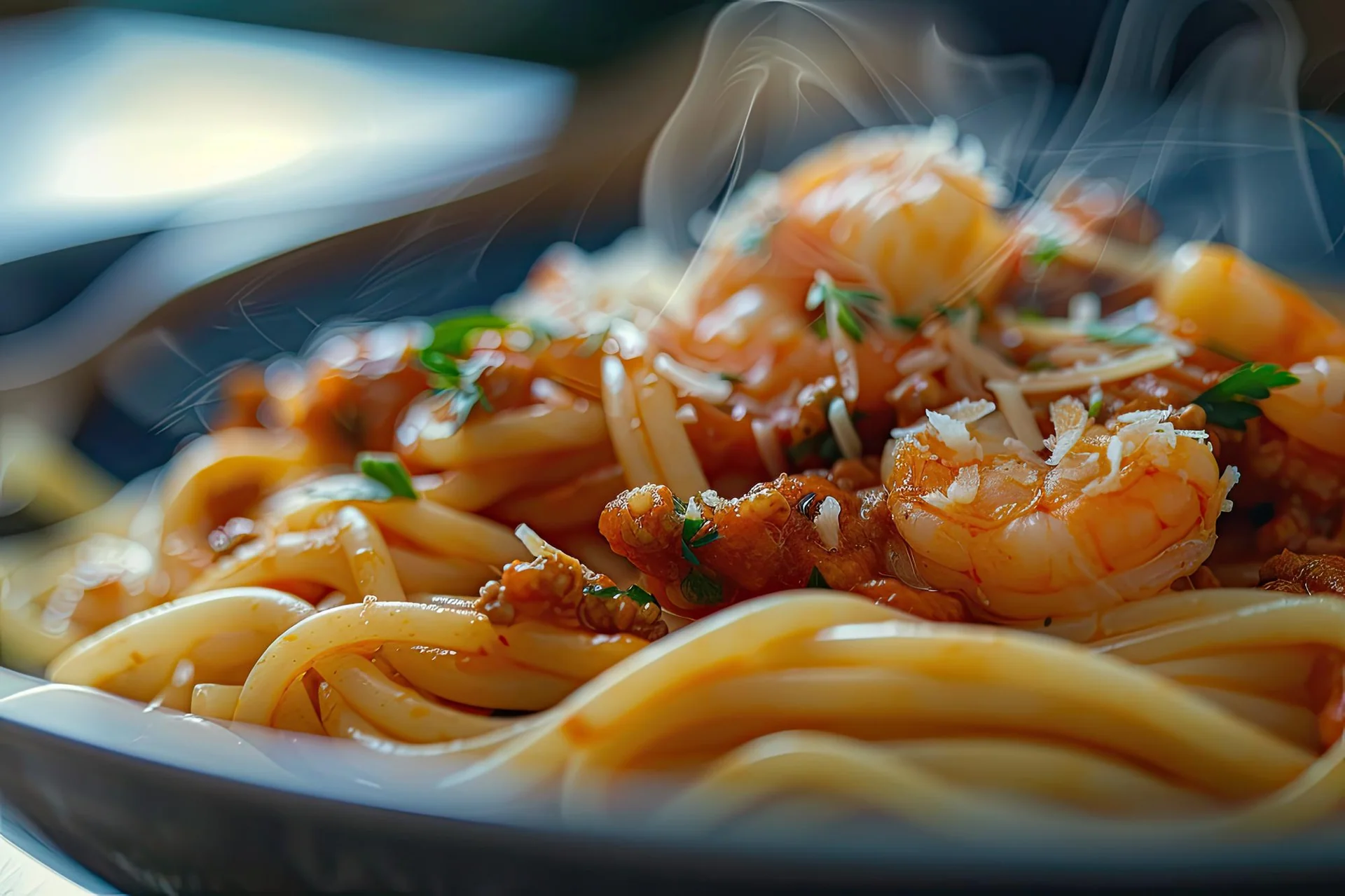
Imagine a table full of vibrant colors, the aroma of fresh herbs, and flavors that have been perfected for centuries under the sun of the Mediterranean Sea. That is exactly what comes to mind when you talk about this cuisine: a way of eating that is not a trendy diet, but a lifestyle backed by culture and science.
Mediterranean cuisine brings together the culinary traditions of countries like Greece, Italy, Spain, Turkey, and Lebanon. Its foundation is fresh ingredients, olive oil, legumes, grains, and fish. No complications. No endless lists of restrictions. Just real products, prepared with care and shared in great company.
If you want to truly understand what Mediterranean cuisine is, this article explains its essential ingredients, why science endorses it as one of the healthiest diets in the world, and how you can bring those flavors into your own kitchen — or experience them firsthand at a Mediterranean restaurant in Medellín.
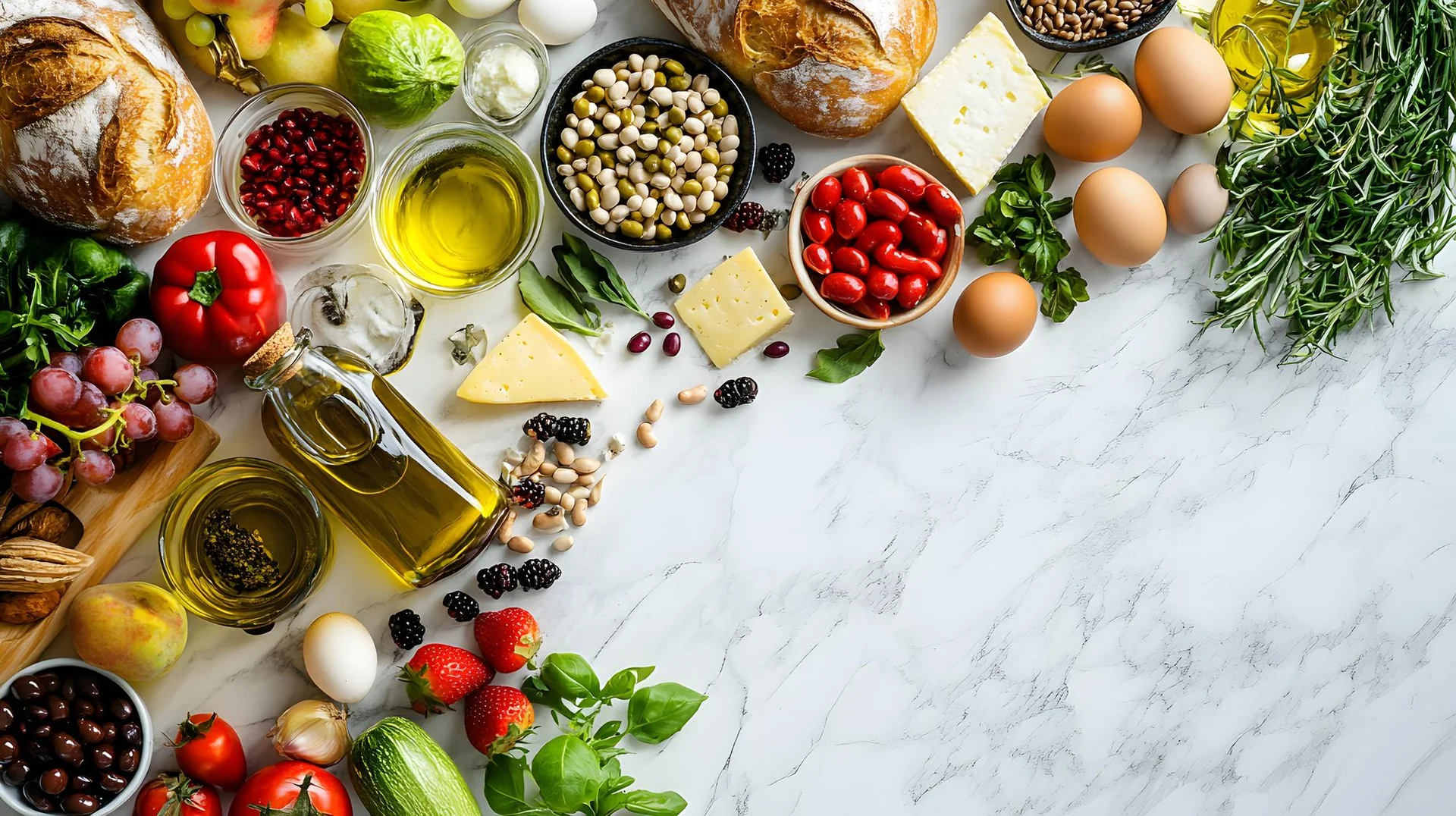
The essential ingredients you should include on your next grocery run
Mediterranean cuisine holds no hidden secrets. Its power lies in the quality of simplicity. When you shop with these ingredients in mind, you are already taking the first step toward a more mindful and flavorful way of eating.
Extra virgin olive oil as the liquid gold of your cooking
If there is one single ingredient that defines what Mediterranean cuisine is, it is extra virgin olive oil. It is not just another condiment. It is the base of almost everything: sautéing vegetables, dressing salads, finishing a hot soup, or spreading over toasted bread with tomato.
Extra virgin olive oil is obtained from the first cold pressing of olives, which preserves all its polyphenols and monounsaturated fatty acids. These compounds are responsible for its fruity, slightly bitter flavor, and for its anti-inflammatory properties documented by institutions such as the Mediterranean Diet Foundation.
When buying, look for the label “extra virgin” and a maximum acidity of 0.8%. Avoid refined or blended versions: they lose much of the flavor and nearly all the benefits. A bottle of good olive oil is the most worthwhile investment you can make in your kitchen.
Fresh vegetables, legumes, and whole grains to fuel your energy
Mediterranean cuisine puts plants at the center of the plate. Not as a side dish, but as the main event. Tomatoes, eggplant, bell peppers, zucchini, spinach, cucumbers, and a long list of fresh vegetables appear in almost every preparation.
Legumes — such as chickpeas, lentils, and white beans — provide plant-based protein and soluble fiber that regulates blood sugar and improves digestion. They are affordable, versatile, and store well. In the traditional Mediterranean diet, they are consumed at least twice a week.
Whole grains complete this energy-boosting trio. Bulgur wheat, barley, oats, and brown rice release energy in a sustained way. Unlike refined grains, they retain their fiber and micronutrients. The result is a way of eating that keeps you full without feeling heavy.
To build your basic Mediterranean grocery list, start with these groups:
- Seasonal vegetables (tomato, eggplant, bell pepper, spinach)
- Dry or canned legumes with no additives (chickpeas, lentils)
- Whole grains (bulgur, brown rice, oats)
- Fresh and dried herbs (oregano, thyme, parsley, basil)
Fish and healthy fats: the best alternatives to red meat
In Mediterranean cuisine, fish replaces red meat in most meals throughout the week. Salmon, trout, sardines, tuna, and octopus are sources of lean protein and, above all, omega-3 fatty acids, which are essential for cardiovascular and brain health.
The recommendation is to eat oily fish at least two or three times a week. Oily fish (sardines, mackerel, salmon) concentrates more omega-3 than white fish, though both have a place in this cuisine.
Other healthy fats come from walnuts, almonds, pistachios, and avocado. They are used as snacks, as ingredients in salads, or as part of sauces. These are not fats that make you gain weight; they are fats that nourish and protect.
Red meat consumption is not forbidden, but it is reduced to special occasions. This redistribution of protein sources is one of the factors that explains why people who follow this way of eating have a lower risk of chronic diseases.
Proven benefits of this diet for your physical and mental health
Talking about what Mediterranean cuisine is without mentioning its benefits would be like describing a dish without tasting it. This way of eating has one of the most solid bodies of scientific support in modern nutrition.
The PREDIMED study, conducted with more than 7,000 participants in Spain and published in the New England Journal of Medicine, showed that following a Mediterranean diet reduces cardiovascular risk by 30% compared to a conventional low-fat diet. This is no small finding when heart disease remains the leading cause of death worldwide.
But the benefits go far beyond the heart:
Metabolic health. The combination of fiber, healthy fats, and complex carbohydrates stabilizes blood glucose levels. This is especially relevant for preventing and managing type 2 diabetes.
Body weight. Mediterranean cuisine does not count calories or ban food groups. Its high nutritional density and the satiating effect of fiber and lean proteins help maintain a healthy weight naturally, without extreme restrictions.
Brain and mood. The omega-3s from fish, the antioxidants from vegetables, and the polyphenols from olive oil have documented neuroprotective effects. Recent research links this diet to a lower risk of cognitive decline and depression. Chronic inflammation — which this diet directly combats — is increasingly associated with mood disorders.
Longevity. The world’s Blue Zones, where more people reach advanced ages in good health, include Mediterranean regions such as Sardinia and the Greek island of Ikaria. Diet is one of the common factors among these populations.
Gut microbiome. The diversity of fibers provided by legumes, whole grains, and vegetables directly feeds the beneficial bacteria in the gut. A balanced microbiome is associated with better immunity, better digestion, and better appetite regulation.
The most valuable thing about these benefits is that they require no supplements, special products, or radical overnight changes. Mediterranean cuisine works precisely because it is sustainable: its ingredients are accessible, its preparations are simple, and its flavors make you want to come back for more.
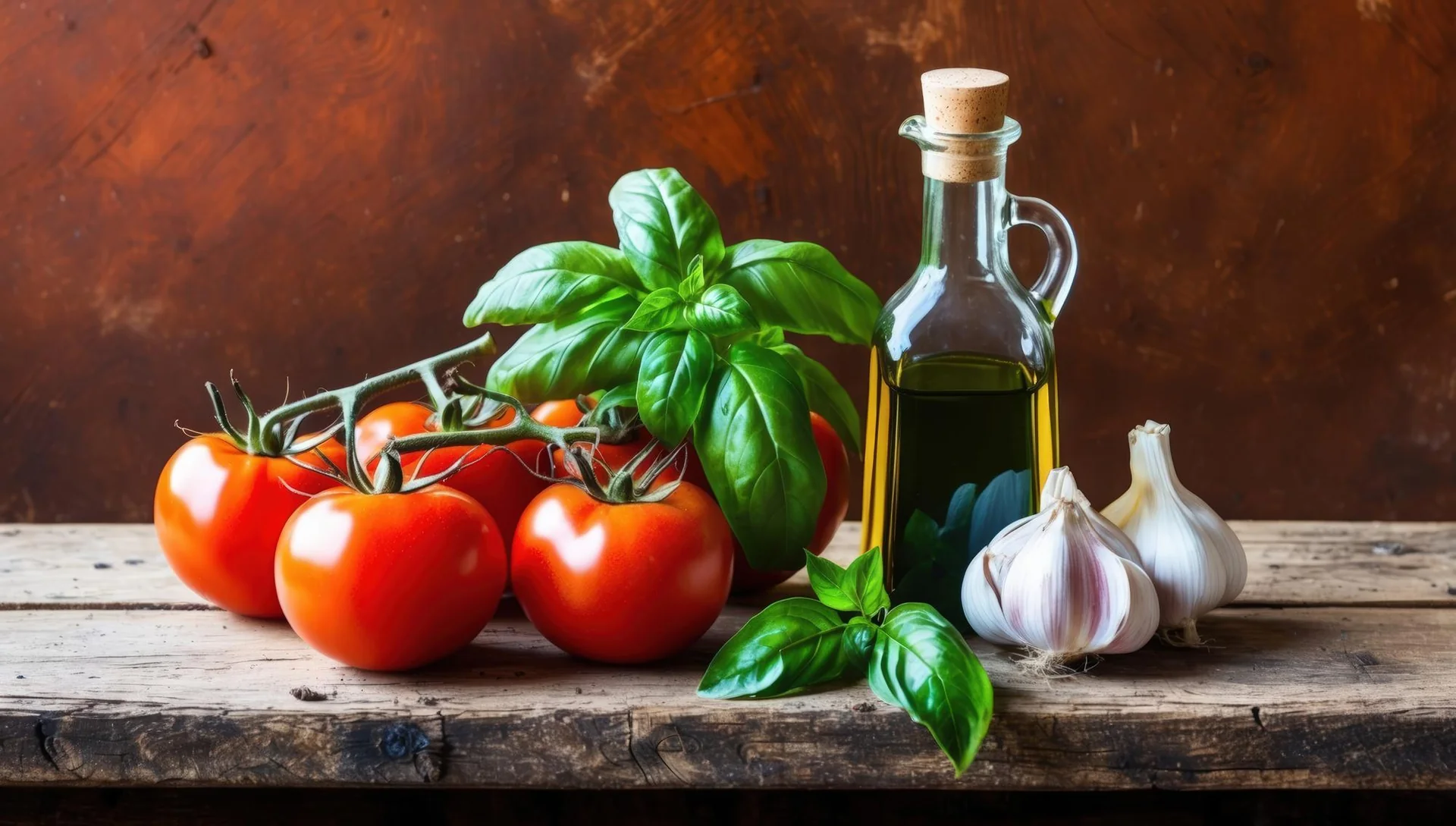
Classic and delicious dishes you can easily make at home
Once you understand what Mediterranean cuisine is and have the ingredients ready, what comes next is the most enjoyable part: cooking. These dishes are representative of the region, accessible in terms of ingredients, and possible to prepare in any kitchen.
Homemade hummus. The base is simple: cooked chickpeas, tahini (sesame paste), lemon juice, garlic, and extra virgin olive oil. Everything is blended until smooth and creamy, then served with pita bread, crudités, or simply with a good spoon. It is the most honest starter this cuisine has to offer.
Greek salad (horiatiki). Tomato, cucumber, red onion, Kalamata olives, and feta cheese, all dressed with olive oil and dried oregano. No lettuce. No frills. It is refreshing, nutritious, and ready in ten minutes.
Baked fish with lemon and herbs. Any white or oily fish fillet is baked at 350°F (180°C) for 12–15 minutes, alongside lemon slices, sliced garlic, fresh rosemary, and a generous drizzle of extra virgin olive oil. Serve with roasted vegetables (zucchini, bell pepper, onion) and finish with a handful of fresh parsley.