

Eating well doesn’t have to feel like a sacrifice. For decades, the Mediterranean diet has proven that nourishing your body can be delicious, varied, and deeply satisfying - all at once. Extra-virgin olive oil, legumes, fresh fish, seasonal vegetables, and a glass of red wine in moderation: this is what a lifestyle backed by science again and again actually looks like.
If you’ve ever visited a Mediterranean restaurant in Medellín and walked out feeling light, satisfied, and full of energy, that was no coincidence. This eating pattern has real, measurable effects on your body and mind - and the best part is you can replicate it at home without being a chef or spending a fortune.
Here you’ll find the science-backed benefits of the Mediterranean diet along with a practical guide to bringing them into your own kitchen.
How Does This Way of Eating Positively Impact Your Body and Mind?
The benefits of the Mediterranean diet are no myth, nor are they a passing trend. The World Health Organization recognizes it as one of the healthiest dietary patterns on the planet, and landmark studies like the PREDIMED trial have confirmed its power to significantly reduce the risk of chronic disease. What sets this eating style apart is its holistic approach: it doesn’t eliminate food groups, it doesn’t cause nutritional deficiencies, and it never forces you to obsessively count calories.
Protect Your Heart and Manage Cholesterol - Naturally
Your heart is the first big winner. The Mediterranean diet is built on healthy fats - primarily extra-virgin olive oil, nuts, and oily fish like salmon, sardines, and tuna. These sources of omega-3 fatty acids and oleic acid raise HDL (“good”) cholesterol while reducing oxidized LDL, the type that actually damages your arteries.
The results are concrete: lower risk of heart attack, lower blood pressure, and more flexible arteries. The PREDIMED study, published in the New England Journal of Medicine, found up to a 30% reduction in serious cardiovascular events among people who followed this pattern for five years. No medication. No extreme restrictions. Just better food.
On top of that, the antioxidants found in tomatoes, eggplant, bell peppers, and olives reduce systemic inflammation - one of the silent drivers behind nearly every heart disease.
Sharpen Your Memory and Shield Your Brain from Decline
Your brain uses roughly 20% of your body’s total energy and needs specific nutrients to function at its best. The cognitive benefits of the Mediterranean diet are one of the most active areas of research today.
The polyphenols in olive oil and red wine (in moderate amounts) act as neuroprotectors. Omega-3 from fish supports neuronal plasticity and reduces the buildup of amyloid plaques associated with Alzheimer’s. Legumes and whole grains stabilize blood sugar and prevent the spikes that gradually erode mental function over time.
A Columbia University study showed that older adults who closely followed a Mediterranean diet had up to a 40% lower risk of developing mild cognitive impairment. It’s not a life insurance policy, but it is real, accessible long-term protection for your brain.
Reach Your Ideal Weight and Balance Blood Sugar Without Going Hungry
One of the biggest misconceptions about the Mediterranean diet is thinking it’s only for people who are already slim or healthy. In reality, it’s one of the most effective eating patterns for reaching and maintaining a healthy weight - without hunger.
Why? Because it prioritizes foods with high nutritional density and a low glycemic index: lentils, chickpeas, leafy greens, whole fruits, fish, and whole grains. These foods keep you fuller for longer, reduce cravings, and prevent insulin spikes that, over time, promote insulin resistance and abdominal fat storage.
For people with prediabetes or type 2 diabetes, the evidence is especially strong. The American Diabetes Association recognizes the Mediterranean diet as one of the most recommended dietary patterns for blood sugar management - outperforming traditional low-fat diets.
Strengthen Your Immune System, Bones, and Slow Cellular Aging
Chronic low-grade inflammation is the common thread running through nearly every modern disease: arthritis, diabetes, autoimmune conditions, and even certain cancers. The Mediterranean diet’s benefits here are broad and well-documented.
The antioxidants in colorful fruits and vegetables, the resveratrol in grapes, and extra-virgin olive oil all combat oxidative stress - the cellular damage that accelerates aging. The calcium found in sardines (with bones), almonds, and fermented dairy like Greek yogurt strengthens bone density, which is especially important after 40.
Your immune system benefits too. The zinc in shellfish, the vitamin C in bell peppers and tomatoes, and the probiotics in yogurt and kefir create an internal environment that’s more resilient against infections and inflammatory processes. Aging better doesn’t just mean living longer - it means those extra years come with mobility, mental clarity, and no permanent pillbox.
Support Your Digestion by Nurturing Your Gut Flora Every Day
The gut is the second brain, and the Mediterranean diet treats it that way. Its high content of soluble and insoluble fiber - from legumes, vegetables, fruits, and whole grains - directly feeds the gut microbiome, the community of beneficial bacteria that regulates everything from digestion to mood.
A diverse, balanced microbiome reduces the risk of irritable bowel syndrome, chronic constipation, intestinal inflammation, and leaky gut. The fermented foods that are part of this pattern - natural yogurt, kefir, and certain aged cheeses - supply probiotics that reinforce that bacterial diversity.
The day-to-day result is simple: less bloating, better regularity, lighter digestion, and more available energy.
How to Start Applying This Lifestyle at Home Without Overcomplicating It
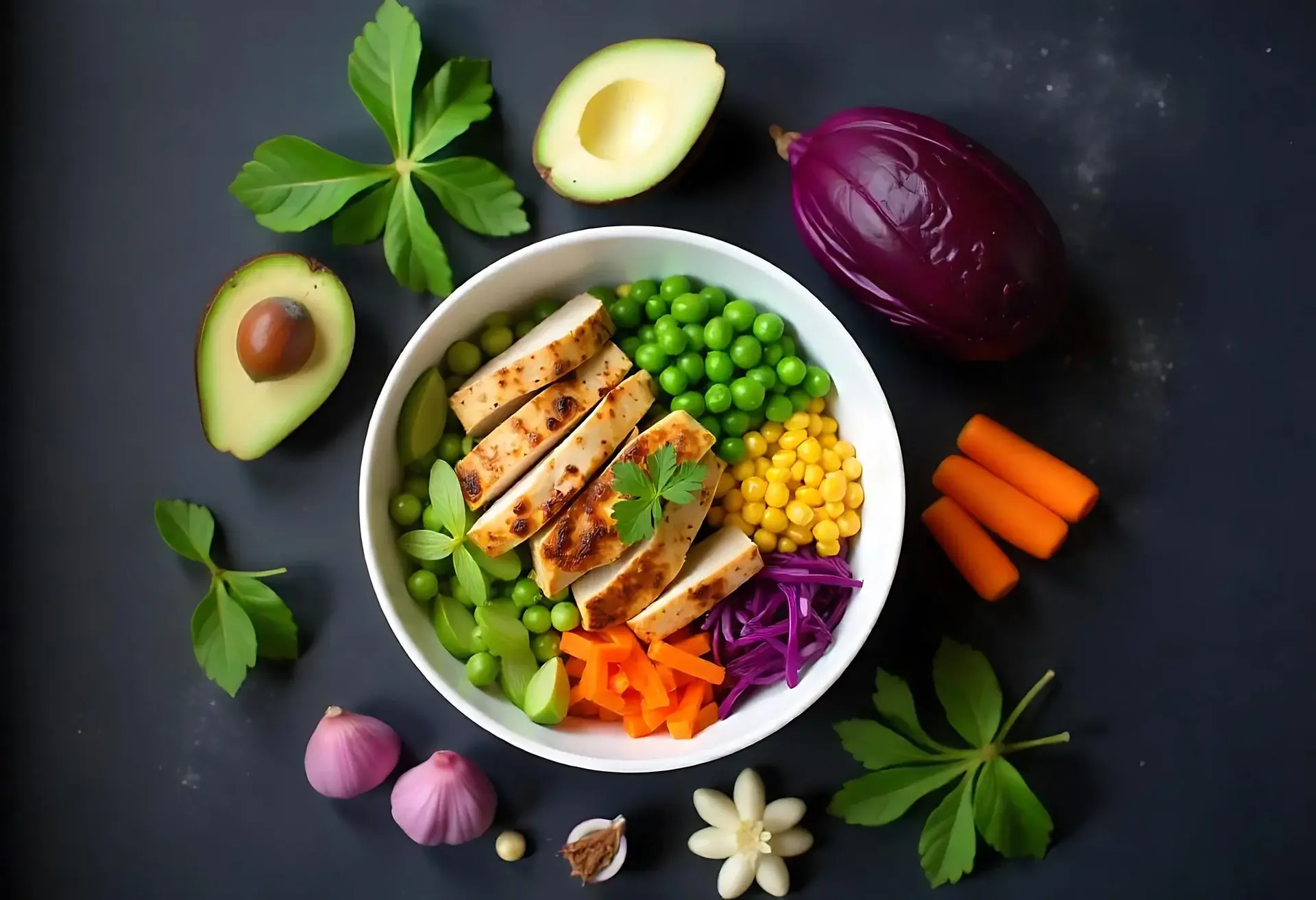
The first step is knowing the benefits are real. The second is actually starting - without emptying your pantry all at once or hunting down imported specialty ingredients.
Shop Smart: Healthy Fats, Fresh Vegetables, and Fish
The foundation of it all is what you put in your shopping cart, not what you do in the kitchen. If you come home with the right ingredients, cooking well becomes almost automatic.
Your Mediterranean grocery list should regularly include these groups:
- Healthy fats: extra-virgin olive oil (your go-to for cooking and dressing), avocado, walnuts, almonds, and natural unsalted peanut butter.
- Seafood: salmon, tuna, sardines, hake, and shellfish at least two or three times a week. In Medellín, you can find quality fish at market plazas like La América or La Minorista.
- Legumes: lentils, chickpeas, beans, and peas are cornerstones of the Mediterranean diet and fit naturally into Colombian cooking. You already know them - just give them a bigger role on your plate.
- Fresh, seasonal vegetables: tomatoes, bell peppers, eggplant, zucchini, spinach, arugula. The more colorful the plate, the better.
- Whole grains: brown rice, sourdough bread, oats.